One of the most significant challenges in Sri Lankan agriculture is post-harvest loss. A substantial percentage of the harvest that farmers work so hard to cultivate gets damaged or destroyed before it ever reaches the consumer. Here is a closer look at the causes, the most effective solutions, and the practical challenges farmers face when trying to implement them.
1. Primary Causes of Post-Harvest Loss
The main culprits are bruising and crushing during harvest and transport. Traditionally, vegetables are packed tightly into poly bags or gunny sacks. The lack of proper ventilation causes the vegetables to overheat, leading to rapid spoilage and rot during transit.
2. Strategies to Minimize Damage & Successful Examples
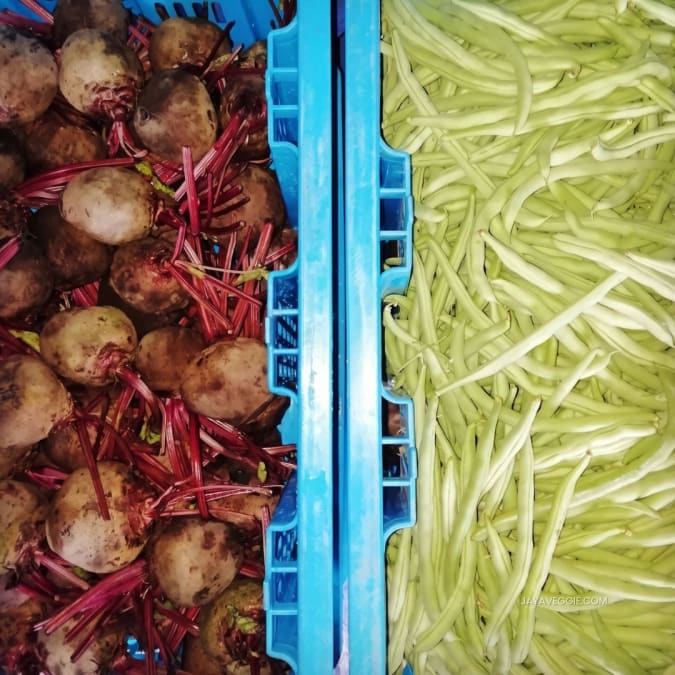
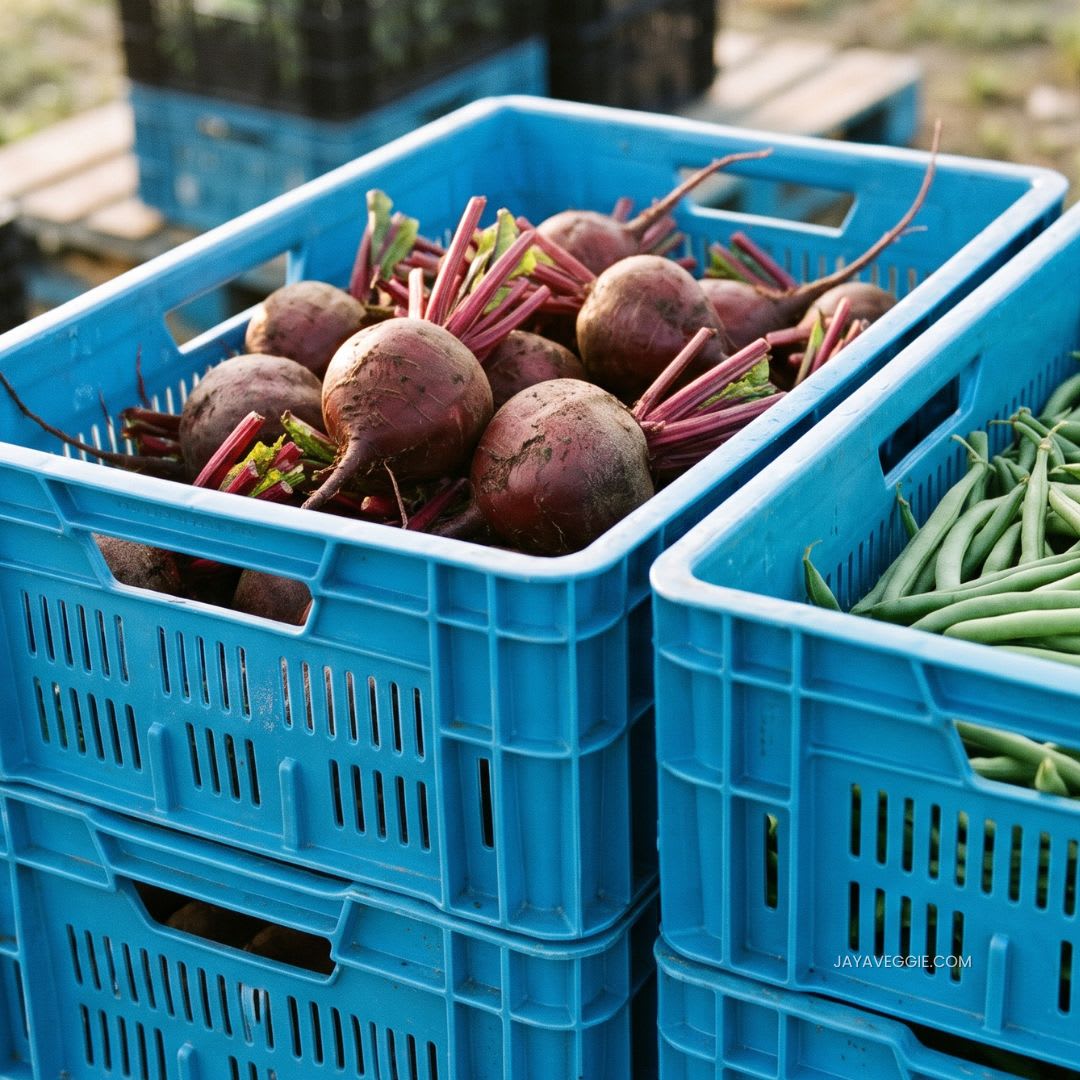
As seen with crops like beetroot and beans, packing vegetables in rigid, ventilated plastic crates is a highly effective solution. These crates prevent the vegetables from crushing each other during transport and provide excellent airflow, which extends shelf life and maintains peak freshness.
A perfect example of this success can be seen with private supermarket chains like Cargills and Keells. By mandating the use of these plastic crates across their supply chains, we can clearly see that they have managed to drastically reduce post-harvest shrinkage and maintain superior produce quality.
3. Why Farmers Hesitate to Use Plastic Crates
Despite being a proven solution utilized by large supermarkets, many independent farmers are reluctant to switch from traditional sacks to plastic crates due to several practical hurdles:
- Transport Space and Cost: Crates take up much more space in a lorry compared to tightly packed gunny sacks. This reduces the total volume of vegetables that can be transported in a single trip, effectively increasing the transport cost per kilogram.
- Return Logistics: Retrieving empty crates from economic centers and transporting them back to the farm adds a layer of logistical complexity and additional freight costs (while private supermarket chains have their own dedicated transport networks to handle this, independent farmers do not).
- High Initial Investment: Purchasing a large inventory of heavy-duty plastic crates requires a significant upfront capital investment compared to buying cheap gunny sacks.
To overcome these hurdles, there needs to be a coordinated mechanism—whether through government support, cooperative pooling, or better supply chain management—to make crate usage financially viable for the everyday farmer.